Storm Damage
Storm damage repair, from first call to final shingle.
After a storm you need two things quickly: a roof that stops leaking, and a record of the damage. This page covers what to do in the first hours, how a temporary dry-in works, what to document, and what a roof inspection report is for. Call (305) 279-0475 for a free inspection.
Once the roof is dry, the next step is roof repair in Miami or, for heavy damage, roof replacement in Miami.
The first hours after a storm
- Stay safe. Stay off a wet or damaged roof, keep clear of downed power lines, and stay out of rooms where the ceiling is sagging.
- Find where water is coming in. Check ceilings and walls for stains, bulges or drips. Move furniture and valuables out of the way and put a container under active drips.
- Photograph the damage before you move anything, from the ground and from inside the house. Do not climb up to take pictures.
- Call for a free inspection. A roofer can tell you what needs to happen first and what can wait.
- Read your insurance policy for its reporting terms and ask your insurer what they need from you. Policies differ, so do not rely on a general rule.
What a temporary dry-in is
A temporary dry-in is a stopgap that keeps rain out until the permanent repair is done. Usually that means heavy sheeting or a tarp fastened down over the damaged area, with the edges secured so wind cannot lift it. It does not repair anything. It only buys time.
A tarp that is poorly fastened can blow off in the next squall or let water run underneath it, so ask the person installing it how it will be secured. Photograph the damage before it goes on and the tarp after it is installed, and keep the receipt for the work and the materials.
How to document storm damage
- Take wide photos of every side of the house, then close-ups of anything damaged: missing or cracked tiles, lifted shingles, bent flashing, debris on the roof.
- Photograph the inside as well: ceiling stains, wet insulation, water on the floor. Include something for scale.
- Keep dated notes: when the storm hit, when you first saw water, who you called and what they told you.
- Keep receipts for anything you spend to protect the property, such as a tarp, emergency repairs or cleanup.
- Save photos in more than one place, such as your phone and an email to yourself.
What a roof inspection report is for
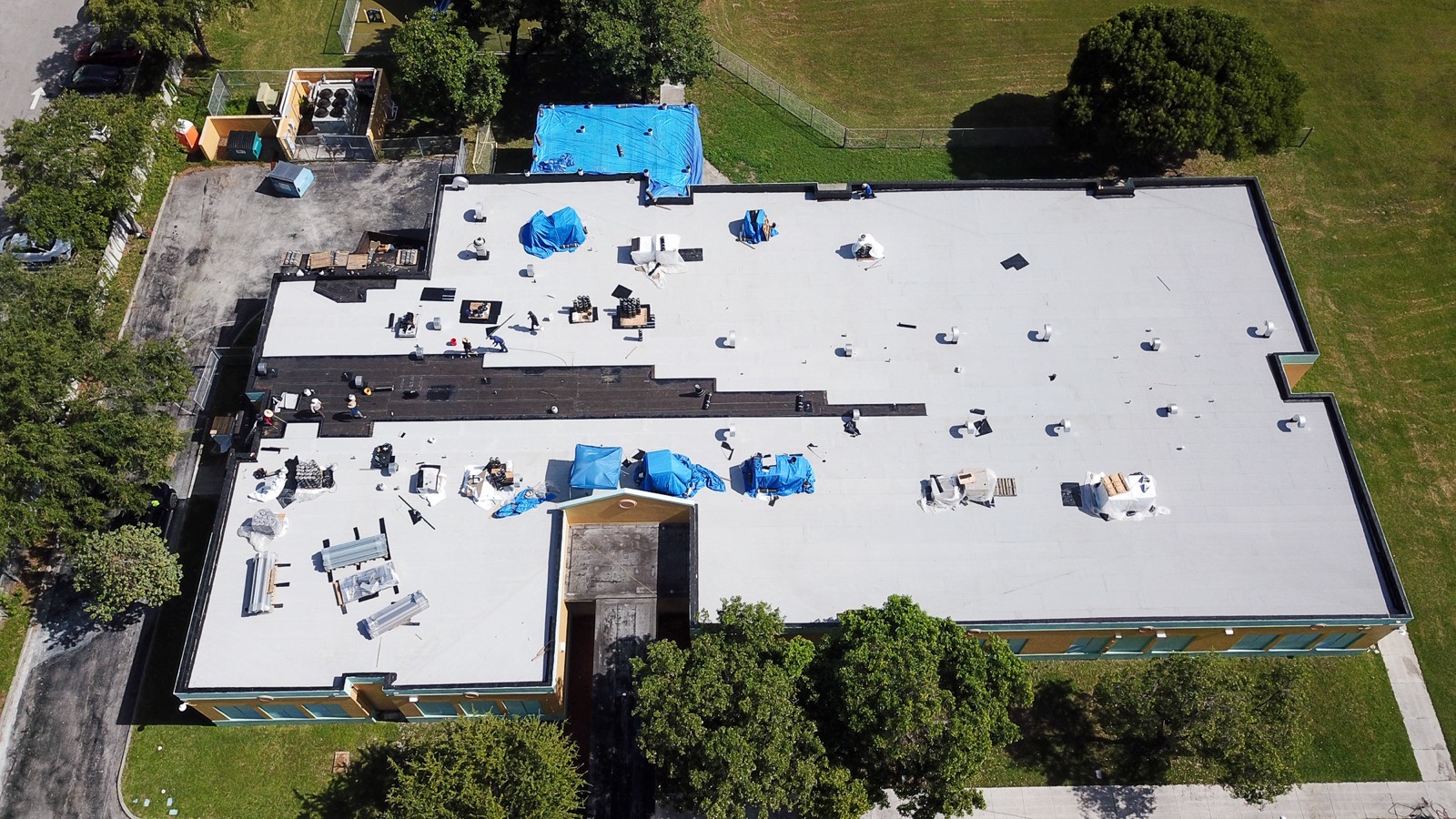
An inspection report is a written record of what was found on the roof, where it is, with photos, and what repair or replacement it calls for. Owners use it to decide between repair and replacement, to give their insurer a clear description of the roof, and to compare estimates against the same scope.
The report describes the roof. It does not decide what an insurance policy pays, and we do not make that decision. Our free roof inspection includes photos of what we find and a written scope.
Damage that looks minor from the ground still matters. Wind-lifted shingles and cracked tiles can let water in slowly, and the stains may not show for weeks.
What we do after a storm
- Free damage inspections
- Repairs to stop active leaks
- Photos and a written scope of the damage
- Full repair or replacement scopes in writing
Repairs and product approval in Miami-Dade
Miami-Dade and Broward make up the High-Velocity Hurricane Zone, and roofing products used there need a Miami-Dade Notice of Acceptance (NOA). You can look up a product in the Miami-Dade product approval database, and the state keeps its own list at floridabuilding.org.
Whether a repair needs a permit depends on the work and on the building department that covers your address, since some cities run their own. The county posts its requirements on its permits page. We confirm which office applies before work starts.
Common Questions
Should I call you or my insurance company first?
Call us for the free inspection if you can, so you have photos and a written damage scope when you talk to your insurer. Your policy sets its own reporting terms, so read it or ask your insurer what they need.
The roof looks fine from the street. Should I still inspect after a hurricane?
Yes. Lifted shingles, cracked tiles and flashing damage are rarely visible from the ground, but they let water in over weeks. The inspection is free.
Are you available during an active storm event?
Call (305) 279-0475 and we will get to you as conditions allow.
What is a temporary dry-in?
A tarp or heavy sheeting fastened over the damaged area to keep rain out until the permanent repair is done. It does not fix the damage, and it has to be secured well or wind can lift it.
What should I photograph after a storm?
Every side of the house from the ground, close-ups of visible damage, and any stains, drips or wet areas inside. Add dated notes and keep receipts for anything you spend on emergency protection.
What is a roof inspection report for?
It records what was found, where, with photos, and what repair or replacement it calls for. It helps you choose between repair and replacement and compare estimates, and it gives your insurer a clear description of the roof.
Do roofing products in Miami-Dade need special approval?
Yes. Roofing products used in the High-Velocity Hurricane Zone, which covers Miami-Dade and Broward, need a Miami-Dade Notice of Acceptance. You can look a product up in the county's product approval database.
Request a Free Estimate
Need financing?
Spread your roofing project into simple monthly payments through our partner Wisetack. Checking your options takes about a minute with no impact to your credit score.
Explore financingRecent work
Our work speaks for itself.
Free inspections